
Why the French Bulldog Is So Popular – Breed Guide

A loving, playful companion that brings joy to every home – the French Bulldog.
An Affectionate and Playful Personality
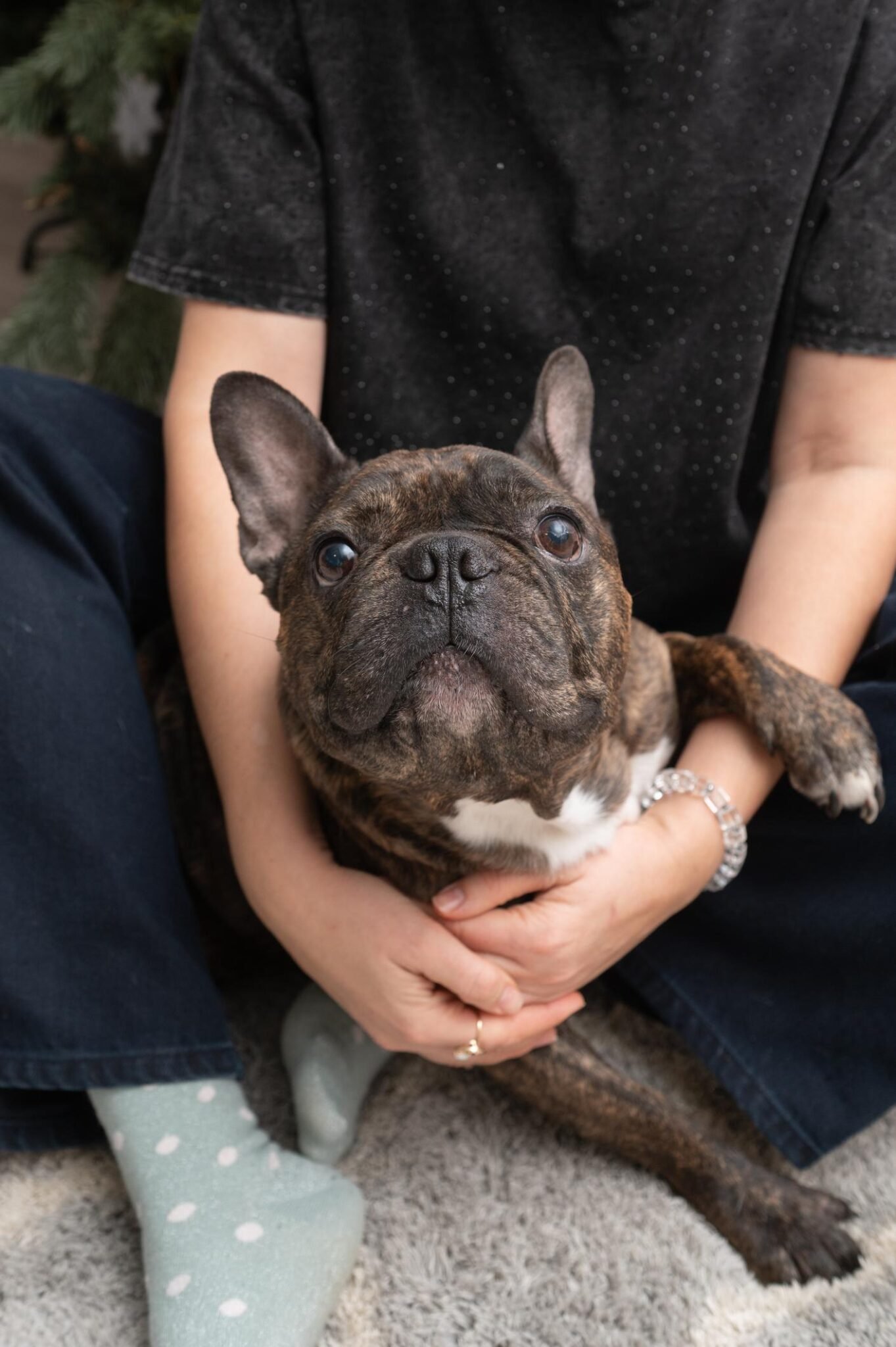
The French Bulldog is known for its balanced temperament and extremely affectionate personality.
First and foremost, it is a companion dog. It loves to stay close to people, to be petted, and to be included in all family activities. It forms a strong bond with its owner and can become slightly jealous if it doesn’t receive enough attention.
In terms of personality:
- it is playful, but not hyperactive
- it is curious and funny, often doing little “silly things” that make you laugh
- it is sociable with people and usually friendly with other dogs
- it has a stubborn streak, so training must be done with patience and gentleness
It is not a very noisy dog. It rarely barks, mostly when it senses something unusual, which makes it well suited for apartment living.
It has bursts of energy when it wants to play and run around the house, but it equally enjoys sleeping stretched out next to you on the couch. Basically, it alternates between energetic clown and sleep expert.
In general, it is:
- affectionate
- loyal
- adaptable
- fond of comfort and human closeness
It does not handle prolonged loneliness well. If it is often left alone, it can become sad or anxious. That’s why it is ideal for people or families who can spend a lot of time with it.
In short, the French Bulldog is the kind of dog that doesn’t just want a house, it wants “its own people.”
Essential Care for a Healthy French Bulldog
The French Bulldog is an adorable dog, but it has a few health sensitivities you need to keep in mind.
Being a brachycephalic breed (with a short muzzle and flat nose), it can have breathing difficulties. Because of this:
- it does not tolerate high heat well
- it should not be walked or exercised intensely during heatwaves
- it needs frequent breaks during physical effort
In summer, it’s important to keep it cool, always provide fresh water, and avoid hot asphalt and strong midday sun.
The facial folds need to be cleaned regularly. Moisture and dirt can build up in the skin wrinkles, leading to irritation or infection. Gently wiping them with a soft pad or cloth and then drying the area helps prevent problems.

Weight Control
It tends to gain weight if it eats too much and moves too little. Excess weight worsens breathing problems and puts pressure on the joints. Therefore:
- controlled food portions
- few and small treats
- short but consistent daily walks
It doesn’t need intense exercise, but it does need moderate daily activity.
Coat & Hygiene
The short coat is easy to maintain:
- brushing at least once a week
- bathing only when necessary (not too often)
- checking and cleaning the ears periodically
Vet Checkups
Regular vet checkups are recommended, as the following issues can occur more often:
- respiratory problems
- skin allergies or irritations
- eye problems
- spine and joint sensitivities
With attentive care, a comfortable indoor temperature, balanced nutrition, and lots of affection, the French Bulldog can live a happy and comfortable life by your side.
French Bulldog – A Great Friend for Kids
Yes, the French Bulldog is generally very well suited for children.
It has a gentle and patient temperament, is not aggressive, and not excessively energetic, which makes it easier to manage around little ones. It enjoys playing, but it doesn’t tend to jump up or accidentally knock a child over the way larger, more excitable breeds might.
It is affectionate and seeks physical closeness, so it usually accepts petting and hugs well (as long as they are not too rough). It often becomes very attached to children and follows them around the house like a funny little guardian.

However, two things are important:
- the child should be taught not to pull its ears, tail, or facial folds
- the dog should have a quiet place where it can retreat if it wants a break
The French Bulldog does not tolerate very rough play or constant chaos very well. It prefers calmer games on the floor, with small balls or soft toys.
A big advantage for families is that it doesn’t need long, exhausting walks. It adapts well to apartment living and to the schedule of a family with children.
In short, with supervision and mutual respect, it can be a wonderful companion for kids: playful, loving, and very loyal.
Interested in learning about other dog breeds? Check out our full guide.