
Siberian Husky Dog Breed Guide: Everything You Need to Know
Discover the Siberian Husky dog breed, including temperament, care needs, training tips, and personality traits for future owners.
The Siberian Husky is a striking and energetic dog breed known for its wolf-like appearance, blue or multicolored eyes, and thick double coat. Originally bred by the Chukchi people of Siberia to pull sleds over long distances in extremely cold conditions, Huskies are now popular family pets around the world. However, they are not a breed suited for everyone, as they require time, patience, and an active lifestyle.
Temperament
Siberian Huskies are friendly, outgoing, and social dogs. They are rarely aggressive and generally get along well with strangers, which makes them poor guard dogs but excellent companions. Huskies are intelligent but also independent and sometimes stubborn. They love being part of a “pack,” meaning they enjoy human and canine company and do not like being left alone for long periods. Their playful and curious nature can sometimes lead to mischievous behavior if they become bored. They are also known for being vocal, often “talking” or howling rather than barking.
Training and Mental Stimulation
Training a Husky can be both rewarding and challenging. They are intelligent and capable of learning quickly, but their independent streak means they may choose not to obey if they are not motivated. Positive reinforcement methods—such as praise, treats, and play—work best. Harsh discipline is not effective and can damage trust. Early socialization and obedience training are highly recommended. Huskies also need mental stimulation, including puzzle toys, agility exercises, and interactive games. Without sufficient training and activity, they may develop destructive habits like chewing or digging.
Care and Grooming
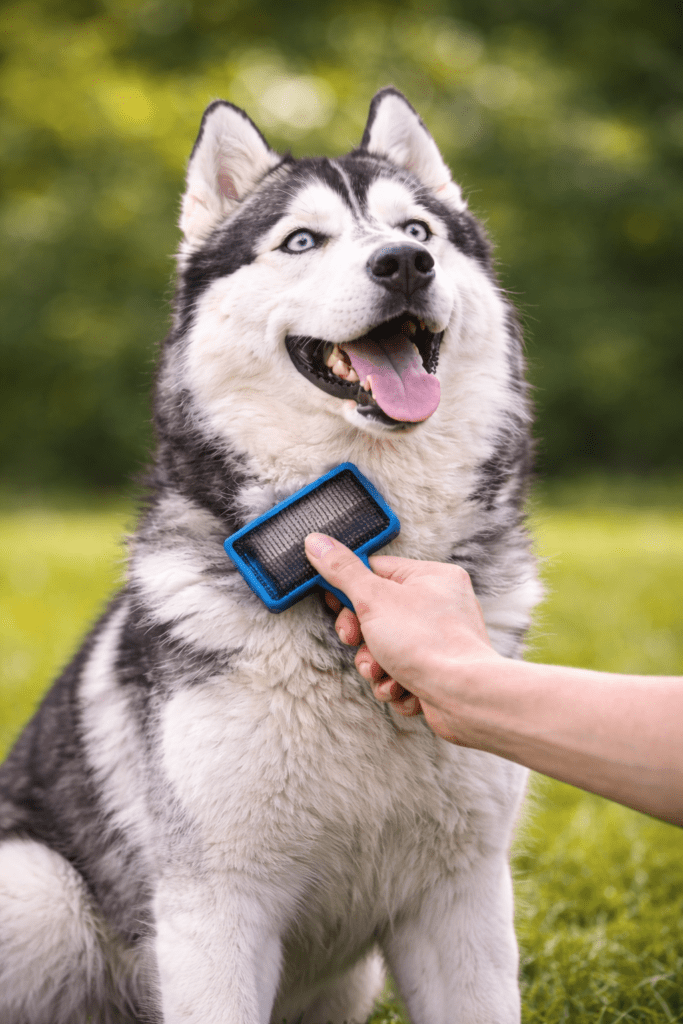
The Husky’s thick double coat is designed for cold climates, but it also protects them from heat when properly maintained. They shed moderately throughout the year and heavily during seasonal coat changes, usually twice a year. During shedding periods, daily brushing is recommended, while two to three times a week is usually sufficient the rest of the year. Despite their thick fur, Huskies are naturally clean dogs and typically do not have a strong odor, so frequent baths are unnecessary. Regular nail trimming, ear cleaning, and dental care are also important. Exercise is a crucial part of Husky care; they need at least one to two hours of physical activity every day, including walks, runs, or playtime in a secure area.
Siberian Husky – Health and Common Treatments
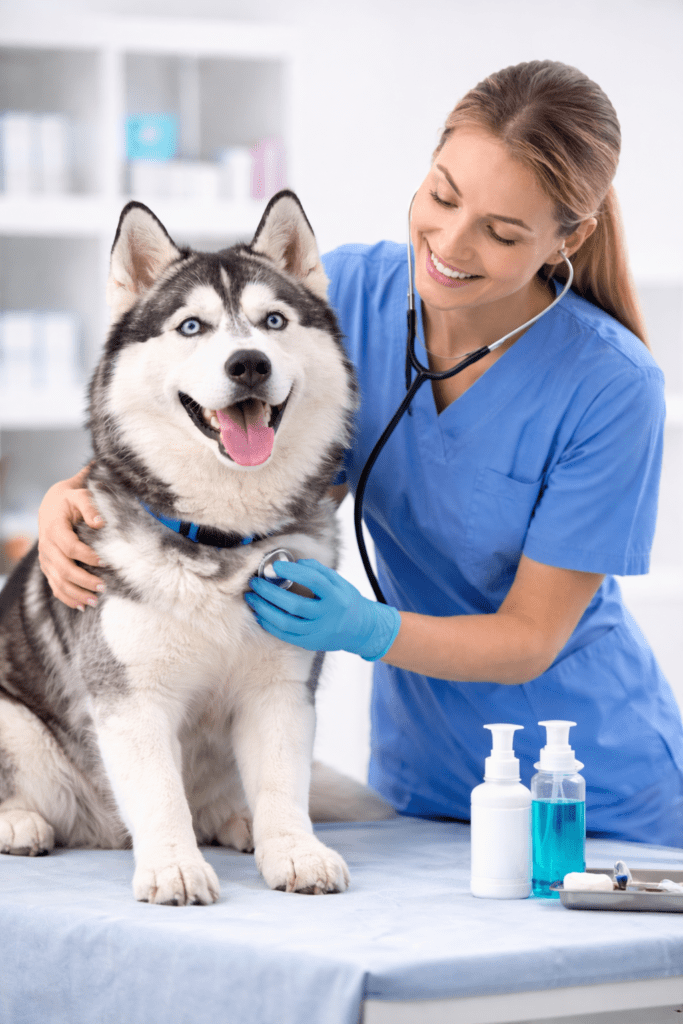
The Siberian Husky is generally a healthy and strong breed, but it can be prone to certain conditions such as eye diseases (like cataracts or progressive retinal atrophy), hip dysplasia, skin problems caused by zinc deficiency, and occasional digestive sensitivities. Regular veterinary checkups, vaccinations, parasite control, and a balanced high-quality diet play an important role in prevention. Daily exercise and maintaining a healthy weight also reduce health risks. Treatments vary depending on the issue and may include medication, supplements, special diets, or surgery in more serious cases. With proper care and early detection, a Siberian Husky can live a long, active life of around 12–15 years.
Adaptability with Children
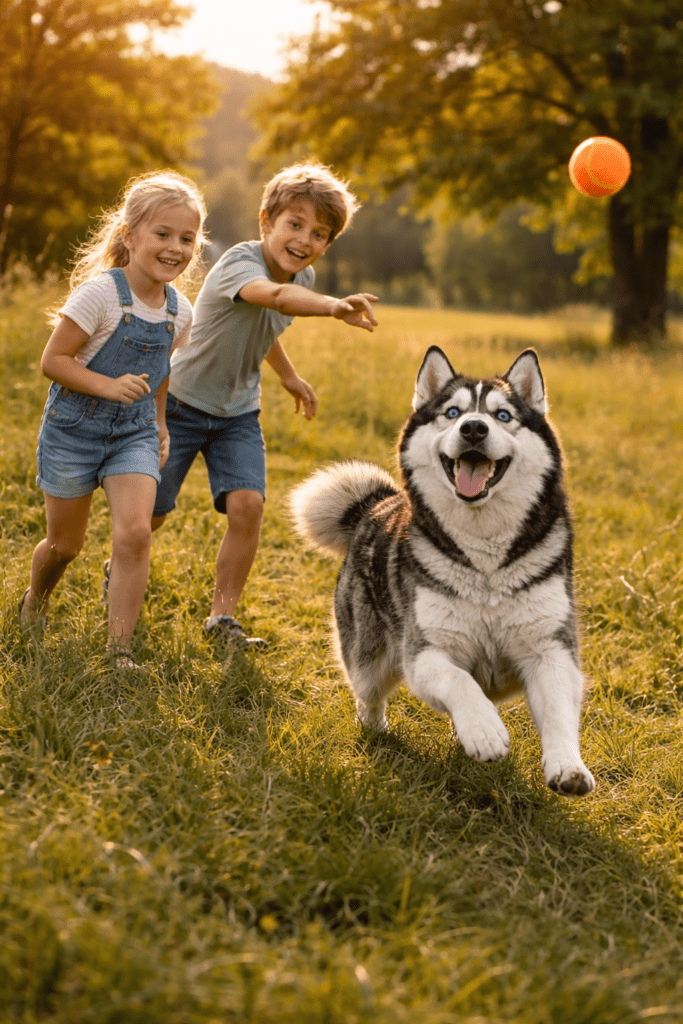
Siberian Huskies are generally good with children when properly socialized and supervised. Their playful and gentle nature makes them suitable companions for active families. However, because they are energetic and sometimes unaware of their strength, supervision is important with very young children to prevent accidental knocks or rough play. Teaching both the dog and the children respectful interaction is key. Huskies thrive in families that enjoy outdoor activities and can include the dog in daily exercise routines.
In summary, the Siberian Husky is a loyal, energetic, and affectionate breed that flourishes in active households. With proper care, training, and attention, they can become loving and entertaining family members, especially in homes that can meet their high exercise and companionship needs.
Want to discover more dog breeds and care guides? Visit our main page for more helpful articles

Feeding and Nutrition
Siberian Huskies require a balanced, high-quality diet rich in protein and healthy fats. Because they are an active breed, their food should support muscle maintenance and energy needs. Premium dry kibble formulated for medium to large active dogs is often suitable, but some owners choose a raw or mixed diet under veterinary guidance. Portion control is essential, as Huskies can gain weight if overfed, especially if they do not get enough exercise. Fresh water should always be available, and treats should be given in moderation to avoid obesity.